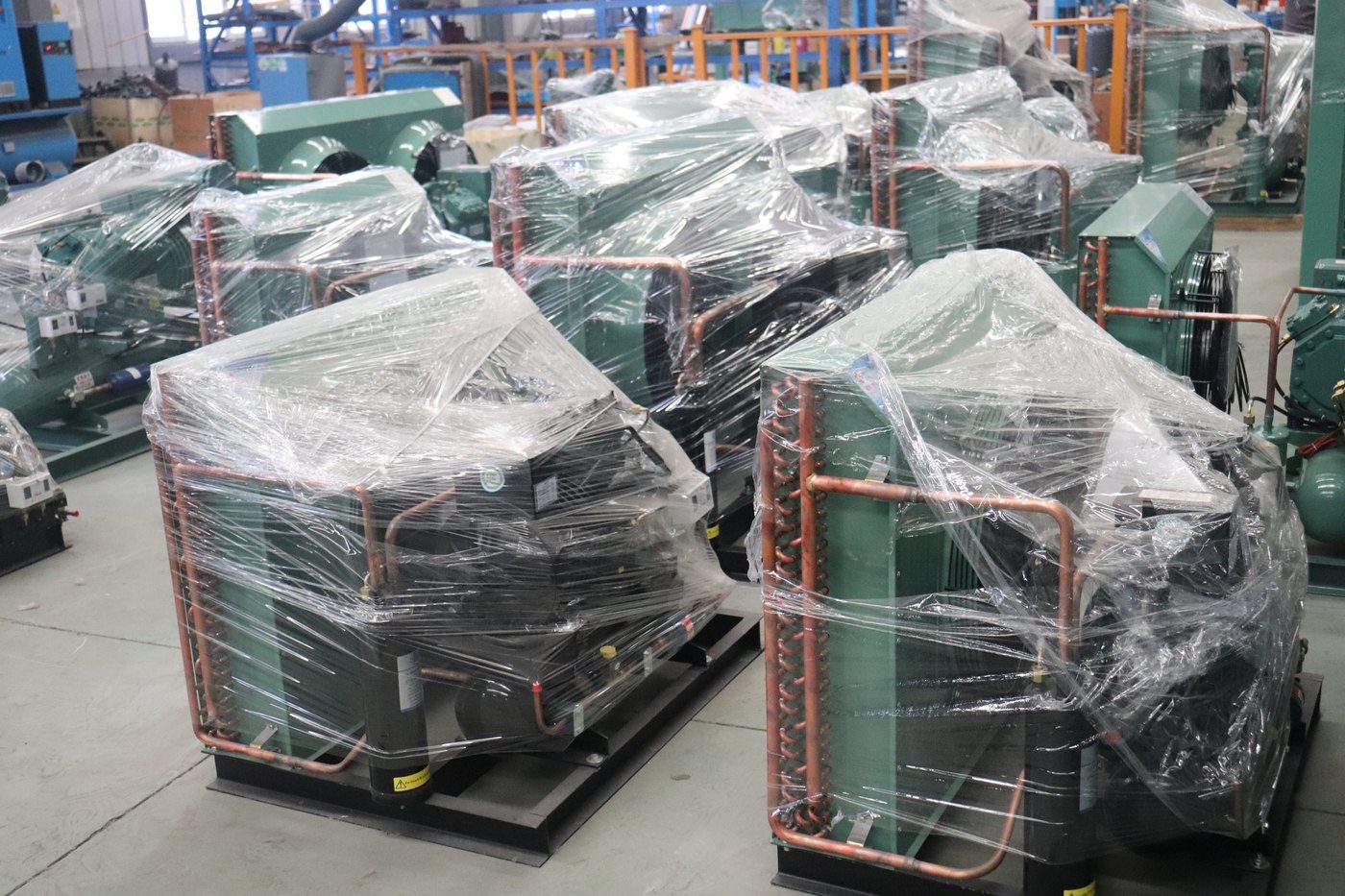
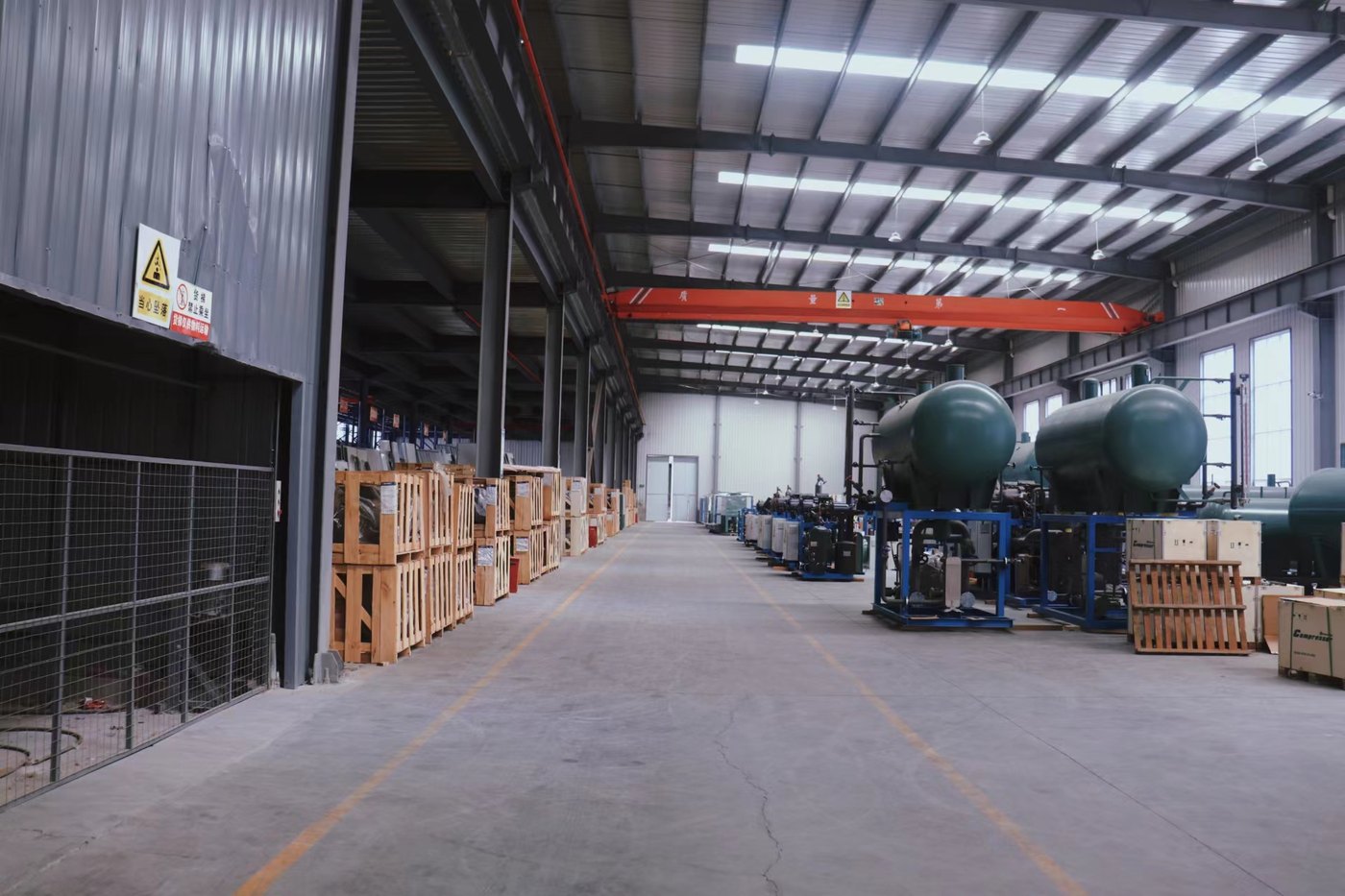
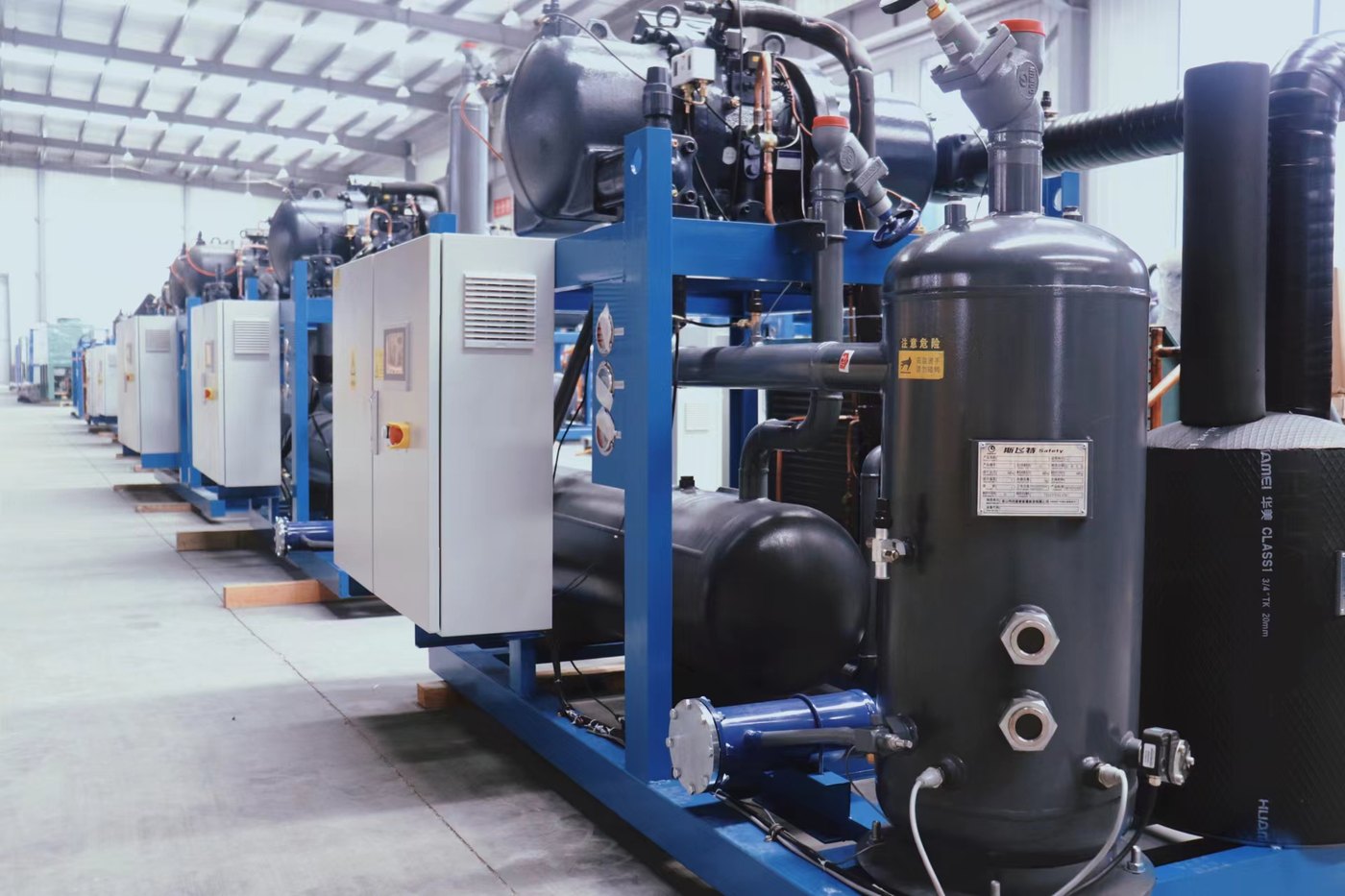
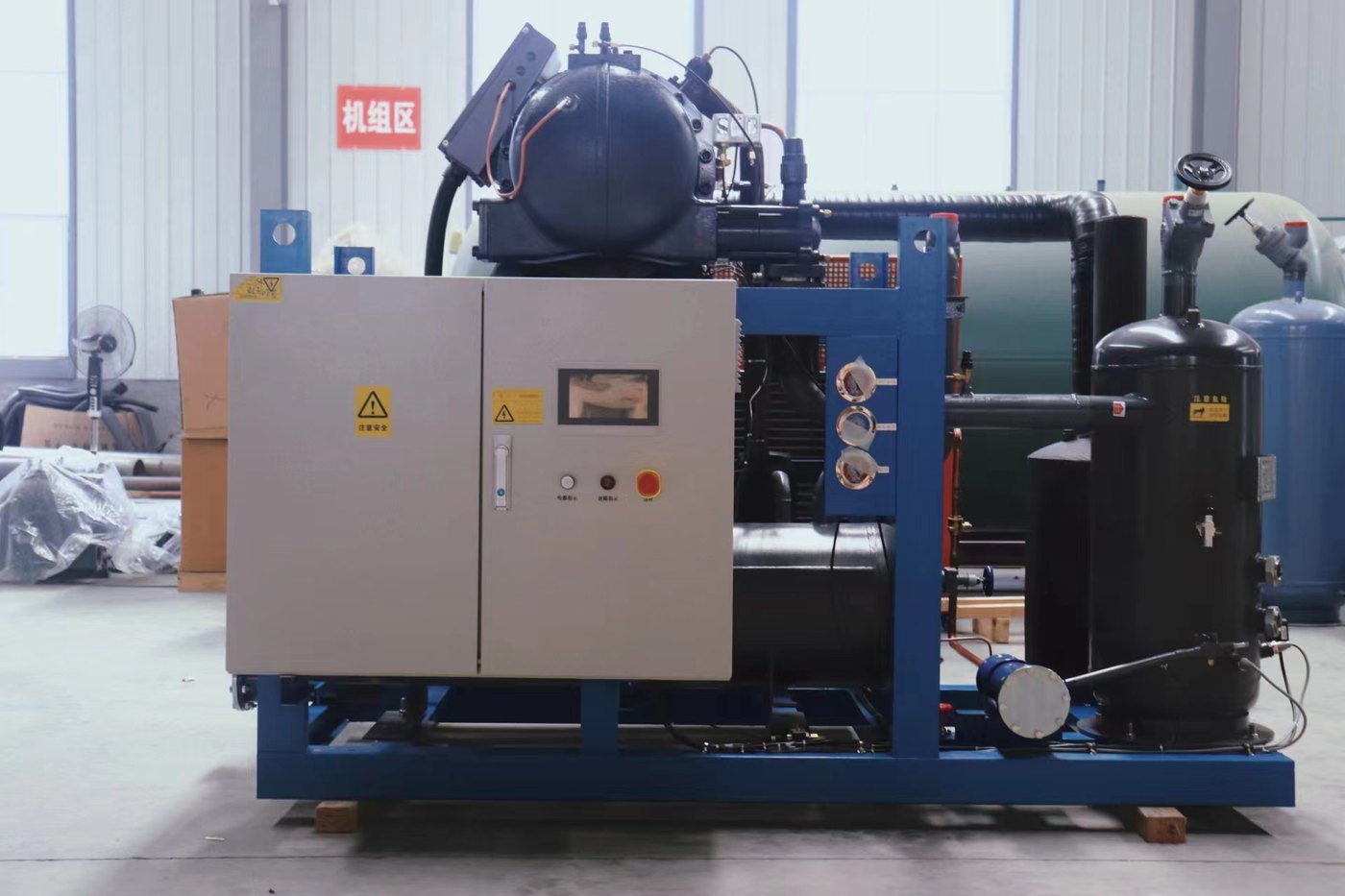
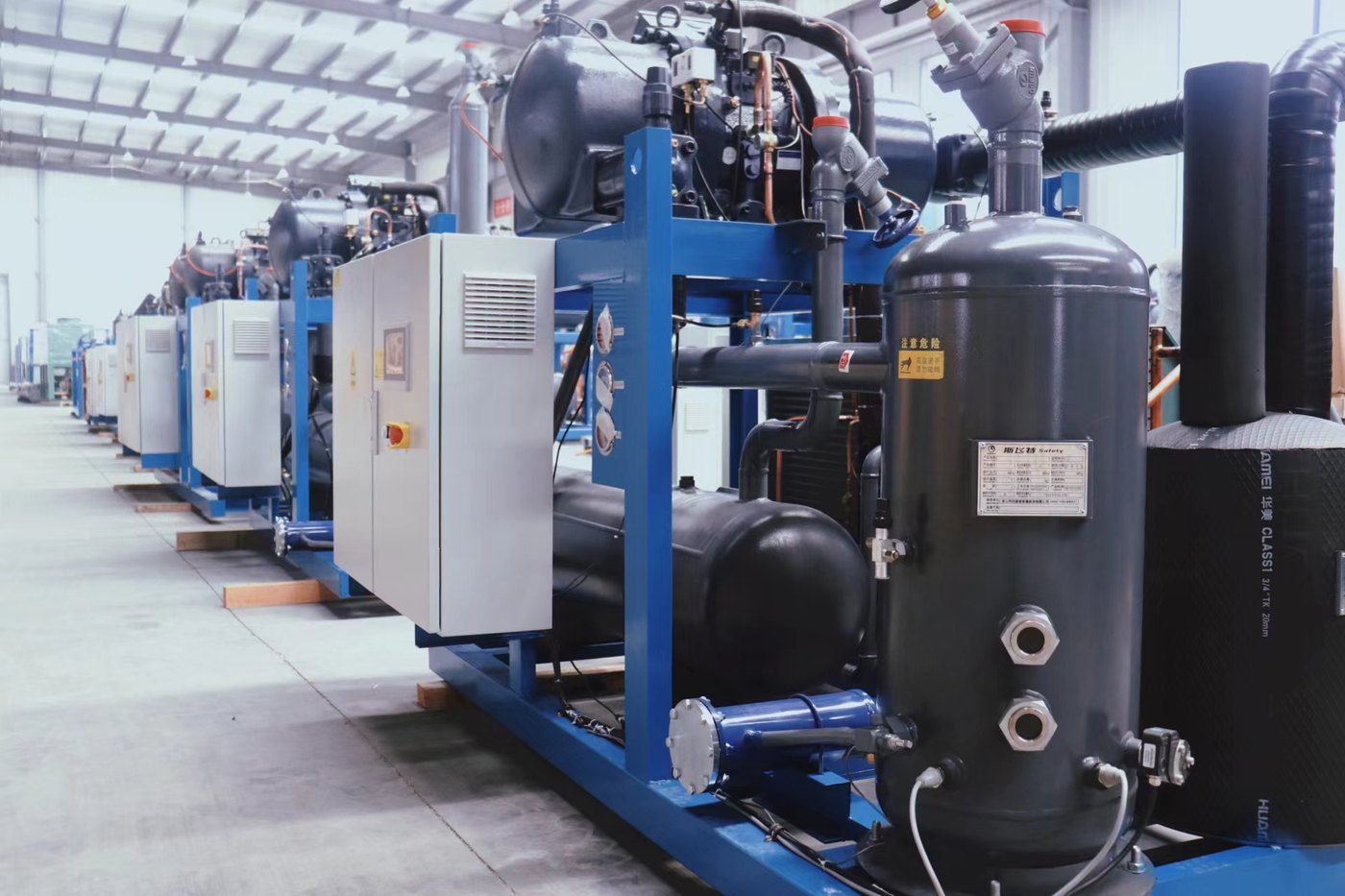
Sizing by tonnage alone is not enough to choose between a piston and a screw compressor. What decides it is the load profile: how many hours the plant runs, and at what fraction of full load.
| Load profile | Usual choice | Why |
|---|---|---|
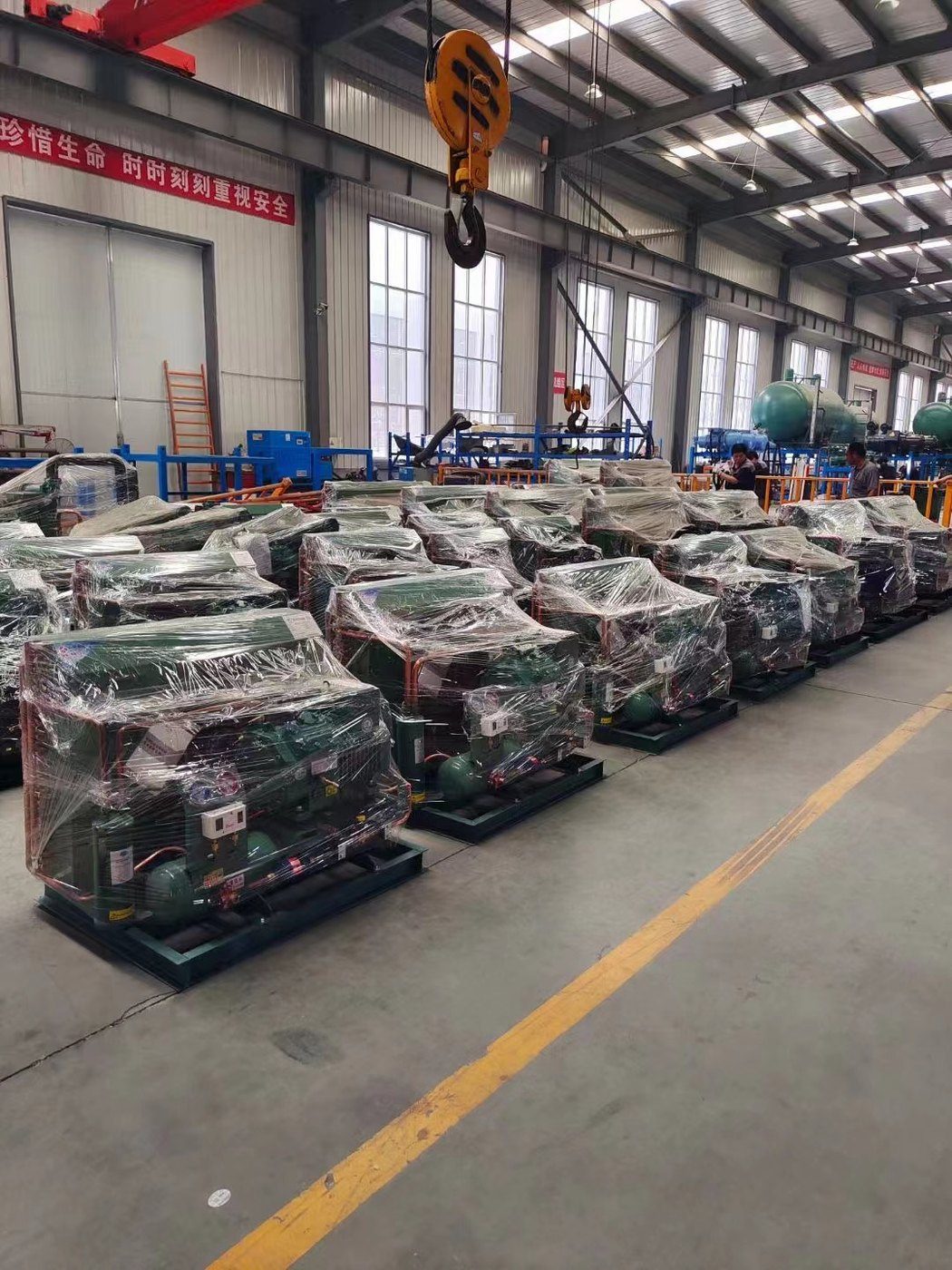
| Intermittent, daytime shifts | Piston, often parallel | Efficient at part load; lower first cost |
| Continuous, 20 hours or more | Screw | Flatter efficiency curve over long hours; fewer wearing parts |
| Widely varying load | Parallel pistons | Staging in steps keeps each machine near full load |
| Very low evaporating temperature | Two-stage screw | Single stage cannot reach the pressure ratio |
The economics follow running hours: the more hours per year, the more a screw's higher first cost is recovered.
A cold store rarely runs at design load. If a plant spends most of the year at half load, one large screw running at low load is less efficient than two or three smaller pistons staged in.
| Situation | What happens |
|---|---|
| One large screw at 50% load | Sliding valve or VSD needed to stay efficient; otherwise specific power rises |
| Three parallel pistons at 50% load | One or two machines run at full load; the third is off |
| One large piston at 30% load | Runs at poor part-load efficiency; cycling increases wear |
This is the single most common selection error: sizing for the peak and ignoring the annual load duration curve.
 Scan to chat